
EPC compliance without breaking the bank
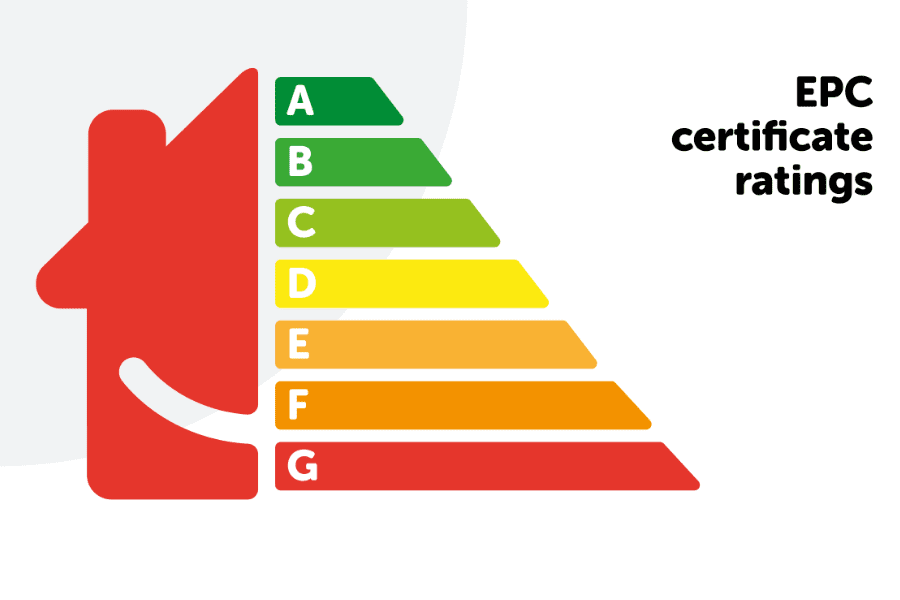
Following on from our recent blog on ECP C by 2030, we’ve received many calls about how best to get started and how to ensure that landlords hit the targets set, but without overspending.
It’s reassuring to see that so many of our landlords are choosing to be proactive about upgrading their portfolio’s energy efficiency – it’s not only a positive move for them to maintain the value of their properties, but it’s also good for their tenants too.
Why does EPC C matter?
Currently, only about 40% of rental homes meet EPC C. This leaves around 2.5 million properties needing work before the deadline. The government’s Warm Homes Plan backs this with exemptions for low-value homes (10% of value cap if under £100,000) and transitional rules: EPC C ratings before October 2029 remain valid until expiry. Upgrades landlords make from October 2025 also count toward the caps, easing the path for proactive landlords.
If you don’t get your properties up to EPC C by the deadline, you run the risk of fines, tenant complaints, or lost rental income as eco-conscious renters prioritise efficient homes.
Top tips for EPC Excellence!

Here are our top, budget-friendly tips to start towards EPC C without overspending. Focus on high-impact, quick ROI measures first.
Get an up-to-date EPC assessment: Start with getting a new Energy Performance Certificate using the updated 2026 methodology so you know where you currently are. It will highlight low-cost actions you can do, like sealing draughts. It will cost around £75-£100 and is valid 10 years.
Bulk up your insulation: Make sure you’re adequately insulated – the right thickness loft insulation (£300-£500) or wall cavity fills (£500-£1,000) will give you 20-30% efficiency gains. There are Government grants via ECO4 which cover eligible low-income tenants and are worth exploring.
Upgrade to LED lighting: Swap bulbs property-wide (£50-£100) for energy efficient LED lights. They reduce energy use by 80% and come in similar range of ‘brighnesses’ as the old style bulbs – for a 40w equivalent, look for a 4w LED bulb.
Install Smart Thermostats: Nest or Hive models (£150-£250) are great for cutting energy bills but 10-20% thanks to their clever techology. Tenants also love app control, and you can expect payback in under two years.
Fix draught-proofing: Make sure you’re not throwing money away – check the window & door seals, chimneys and any other arrears that allow direct access to the elements. Simple DIY or pro fixes prevent 10-20% heat loss and shouldn’t cost that much
Boiler servicing and tweaks: Other than being best practice to ensure your boilers are safe and you keep your warranty, an annual tune-ups (£80) will also help ensure it’s performing at it’s optimum ability. If you have to replace it, make sure you choose A-rated condensing models (£2,000-£3,000 with grants).
Secondary glazing where needed: In older properties, especially those with period windows, the windows are often still single glazed. If you retrofit secondary glazing (£200-£500 per window) you can save significant heat loss, and it’s also worth checking with your local councils for available grants to help with the cost.
Leverage Free Government Schemes: Apply for the Great British Insulation Scheme or boiler grants which offer up to 100% funding for EPC D-G homes.

Prioritise fabric-first upgrades: Approach the work in a logical fashion – if you aim to tackle fabric of the building first, the insulation and air-tightness, before moving into the technical solutions, you’ll see bigger EPC jumps per pound. And don’t forget to track your spend against £10k cap
Bundle works for efficiency: Rather than going at it piecemeal, if you can schedule the upgrades during tenancy voids to minimise disruption and, and see if you can negotiate trade discounts (20-30% savings).
Long-Term Wins for Landlords
These tips will help keep costs under cap while lifting property values – there’s evidence that EPC C homes rent 10% faster and retain tenants longer.
If you have questions on EPC C compliance or want to undertake a portfolio audit, contact us today so we can keep your portfolio efficient and profitable