In a rental property, we’re often asked by our tenants what they’re allowed to do to make the garden more of an extension of the property and another sanctuary from the world.

How does your garden glow?
read more

In a rental property, we’re often asked by our tenants what they’re allowed to do to make the garden more of an extension of the property and another sanctuary from the world.

When you’re a tenant looking to move into new rental accommodation, the adage of ‘location, location, location’ matters more than you might think, as, thanks to devolved powers, England and Wales have different rules.

Or how to rent your first proper place. For a first time tenant, you now have the chance to get a flat or house share that actually feels like your home. This guide is for those new to the rental market.

The private rented sector (PRS) is changing at a rate not seen for decades, and the most obvious change is the incoming Renters Rights Act. The reason for these changes is clear – the market is moving toward a higher degree of professionalism, greater transparency, fewer pressure tactics, and more protections for tenants.

From 1 May 2026, the Renters’ Rights Act removes fixed-term assured shorthold tenancies (ASTs), converting them all to periodic – rolling weekly or monthly tenancies – across England. This ends the effective ‘trap’ of locked-in periods, effectively giving the tenant control.
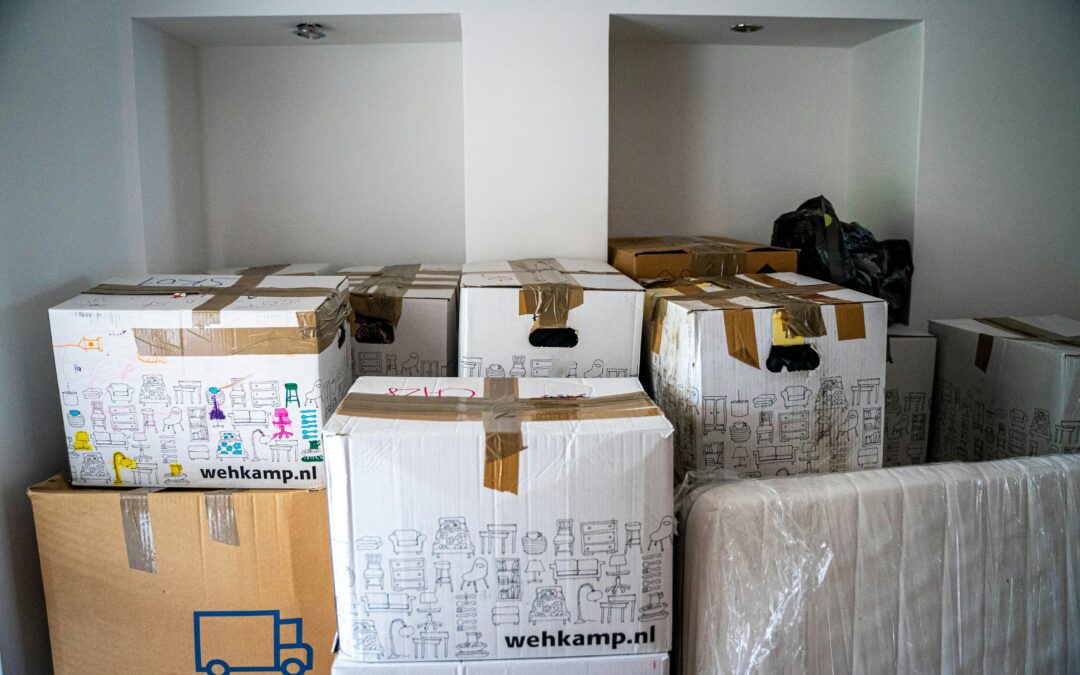
From 1 May 2026, the Renters’ Rights Act comes into force, and by far the most talked about change is that landlords can no longer evict you simply because your fixed term ends.

The Renters’ Rights Act 2025 has been introduced to the England and Wales rental market. Whether it achieves all it set out to do will be seen over time, but what is clear is that it brought more changes to renting than has been seen in decades.

To help ensure predictability in a world of rising costs, the Renters’ Rights Act, coming into force from May 2026, limits rent increases to once per 12 months via a Section 13 notice.
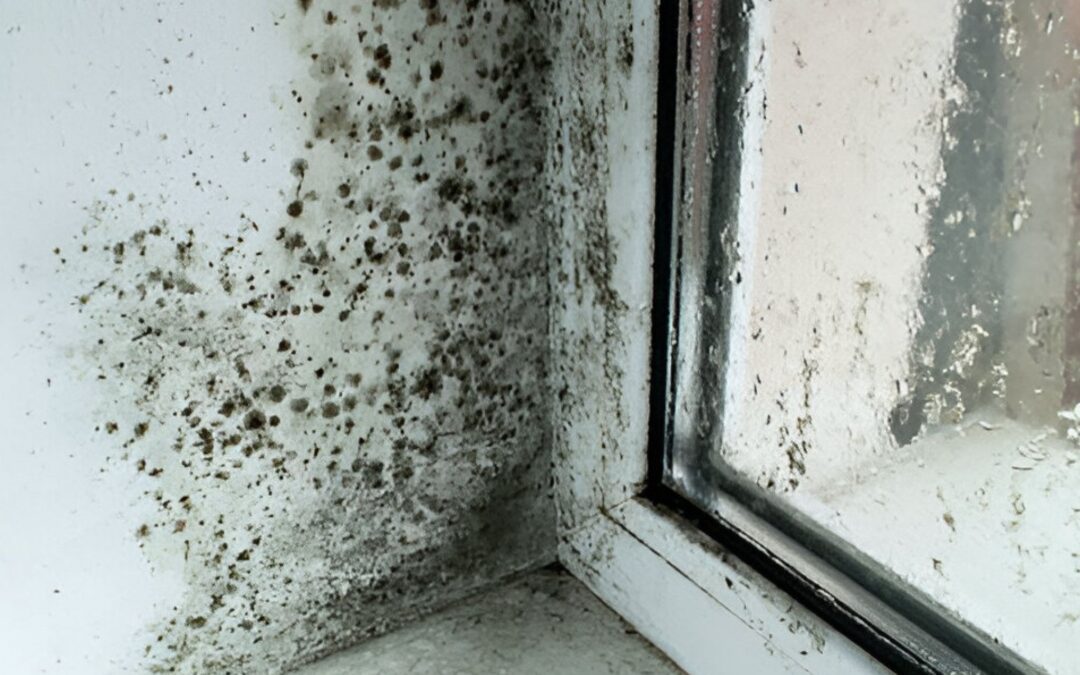
This time of year more than any is the season of damp and mould – it’s cold outside, the heating is on, and there’s very little choice about where to dry your clothes. All this adds up to a lot of condensation, with nowhere to go, and that’s their favourite climate.

As the colder months approach, ensuring your property is suitably prepared for winter is one of the most important ways to protect your investment and ensure your tenants remain safe.