
How does your garden glow?
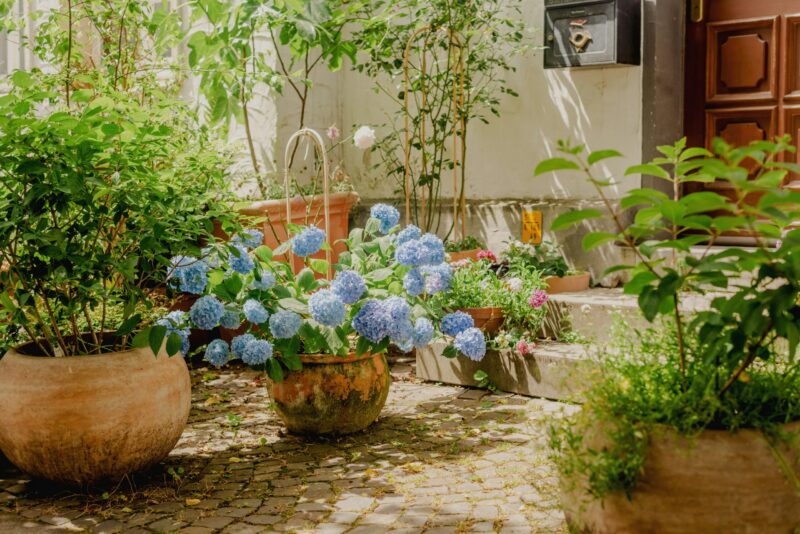
A flower is one of nature’s simplest and most abundant offerings. It can also give your day a real lift, boost your mood and put a spring in your step. In a rental property, we’re often asked by our tenants what they’re allowed to do to make the garden more of an extension of the property and another sanctuary from the world.
Whether you’ve got a tiny patio, a patch of grass, or a roof terrace, having an outdoor space you enjoy can make a huge difference to your quality of life. The challenge here is that, because you don’t own the outside space, whatever you do to it needs to be within the tenancy agreement, and reversible (so when you leave the property, you can revert the space back to how you found it)
The good news is you don’t need to be Alan Titchmarsh to create a space you’ll love.
Read the rules
Before you pick up a trowel, pick up your tenancy agreement. Some landlords are more comfortable than others about how you personalise the outside space. You should specifically look for clauses that relate to:
- Alterations to outdoor areas.
- Fixing items to fences, walls, or decking.
- Removing plants, turf, or structures.
If you’re unsure, check with your landlord or letting agent. Many landlords will be perfectly happy with improvements that can be reversed, or that add to the property, such as planting bulbs or shrubs. But always understand that anything you do may well have to be reversed.
Portable, not permanent
The golden rule for rental gardens: if you can take it with you when you leave, you’re probably on safe ground. Portable possessions to think about are:
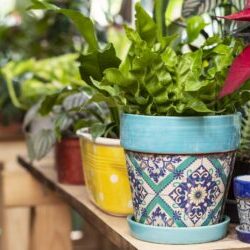
- Garden furniture – chairs, loungers, benches, or a small table, so that you can be comfortable
- Planters and pots you can position to get you back to nature and, if need be, provide privacy.
- Strings or single solar-powered lights for that added ambience.
- Colourful outdoor rugs.
These instantly make the space feel curated, welcoming, and warm without altering its core structure.
No-dig gardening to the max!
If you’re itching to get dirt under your fingernails, but don’t have the ground in which to dig, then containers can be your best friend. You can choose the right plants to bring you joy, and then when you need to move on, you can take them all with you!
What to choose? Depending on the space you’ve got, there are many different approaches, but if you go for a bit of everything, you have variety, pollinator-friendly plants, and even herbs to cook with, too.
- Tall plants (like bamboo or small trees) for height.- Bay trees can be cut to shape and cooked with.
- Medium shrubs or grasses for structure. They’re usually perennials, so they come back year after year. If you look for drought-resistant ones, then they’ll be around for ages.
- Flowers or herbs for colour and scent – herbs like thyme, chives and sage will all withstand the UK winter, and are not only popular with pollinators, but also super in your supper too! You can also choose lavender and rosemary for hardy plants.
- If you want to take your gardening up a notch into “The good life”, why not start growing your own salad – tomatoes, radishes, lettuces, mint, basil, spring onions …can all be grown in containers in small spaces.
Let there be light
Tactical lighting is one of the quickest ways to pep up an outdoor space and give it summer vibes, and if you choose the right type, it’s totally tenant-friendly.
Solar-powered stake lights can mark out your path or borders, and then some strings of lights hanging in trees, along fences, or in gutters (using clips so as not to cause any damage), and your warm summer evenings will become wonderful!
It goes without saying that you should avoid drilling or hardwiring anything into the house mains unless you’ve got clear permission and access to a qualified electrician.
Boost your boundaries
It´s not uncommon to have rickety fences or walls in the garden, after all, if nobody´s really caring for them, then they often get forgotten. While the agreements might not let you paint or replace them, you can perk them up with tall plants in planters, or even trellises attached to the planters, to allow climbing plants such as roses and clematis to make a statement. You can also use raffia or rush screening, which not only changes the feel of your space but also adds to privacy.

If you really do want to paint a fence or a shed but you´re not sure whether the agreement allows it, check. It might be that your landlord is happy for you to do this if you discuss it beforehand, and keep records of all conversations) and agree on the colours and finish.
Don’t get carried away!
Regardless of what you choose, remember: whatever you put out there, you need to make sure you look after it whilst you’re in the property. It’s your responsibility to keep it looking good, or the landlord might say it’s devaluing or damaging the property and ask you to remove it. So, with this in mind, choose
- Sturdy, resilient plants that don’t need constant care.
- Perennials – these come back each year and grow a little more each year.
- Furniture that’s easy to tidy away at the end of the season, and easy to clean.
Making it marvelous
At Urpad, we’ve seen many a rental garden go from arid landscape to Royal Flower Show in a season or two. And much of the fun of sorting your garden out is learning what grows well in the space you have, and how your life works with this new area you’re developing.
The main points to remember are:
- It needs to be reversible – whatever you choose to do will need to be undone at the end of your tenancy
- It needs to fit in with your lifestyle – choose plants that are suitable for you. If you’re always busy, choose low maintenance; if you have children or pets, choose sturdy.
- Experiment – you might not get it right the first time, but keep trying, and watch how your garden grows
- Stay within the boundaries of your tenancy agreement. If you have any questions or want to check what you can and can’t do, just give us a call, and we can help you ensure your outside space becomes whatever you want it to be!