
Energy saving tips for tenants that actually make a difference

With the cost of living still affecting many households, and EPC-C by 30 on its way, finding practical ways to reduce your energy bills has never been more important. The good news is that you don’t need expensive gadgets or major home improvements to make a noticeable difference. Some of the best energy saving tips for tenants are completely free and only require a few simple changes to everyday habits.
At Urpad, we’re committed to helping our tenants enjoy comfortable, well-maintained homes. Here are some straightforward ways to save energy in your rented home, reduce your household bills and make your property more efficient.
Many of these points might be obvious, but it’s never a bad time to review them
1. Heat the rooms you actually use
Heating is usually the biggest contributor to household energy bills. Rather than heating every room all day, focus on the spaces you’re using most often.
If your property has radiators with thermostatic valves, then turn the temperature in spare rooms down, while keeping living areas comfortable. Shutting internal doors also helps keep warmth where it’s needed most.
Avoid turning heating off completely during colder months, as maintaining a low background temperature helps prevent damp and condensation.
2. Make the most of your thermostat

Many people believe turning the thermostat up higher will heat a home more quickly – but it doesn’t.
Instead, set your thermostat to a comfortable temperature and let the heating system do its job. Lowering the thermostat by just one degree can help reduce energy bills over the course of the year without making your home noticeably colder.
If your heating system has timers, programme them around your daily routine rather than leaving the heating on all day.
3. Use natural heat
One of the easiest energy saving tips for tenants costs absolutely nothing.
Open your curtains during the day to allow sunlight to naturally warm your home. Once the sun goes down, close them again to help trap that heat indoors.
This simple habit can improve comfort while reducing the need for additional heating.
Writing this in the middle of the third heatwave of the year reminds us that the opposite advice might also be useful in hot weather
On hot days, close your curtains and windows on the side of the house facing the sum during the day to keep your rooms cool, then open them again in the evening and at night when the temperature has dropped outside.
4. Use appliances more efficiently
Small changes to how you use household appliances can significantly reduce electricity consumption.
Try to:
- Only boil the amount of water you need.
- Wait until your washing machine or dishwasher is full.
- Wash clothes at lower temperatures where suitable.
- Air dry clothes whenever possible.
- Turn appliances off rather than leaving them on standby.
These habits are easy to adopt and help lower your electricity usage throughout the year.
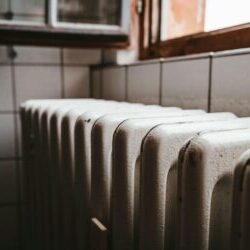
5. Don't cover radiators
Furniture placed directly in front of radiators prevents warm air from circulating around the room efficiently.
Likewise, drying clothes directly on radiators reduces heating performance while increasing moisture levels inside your home. If possible, use a drying rack in a well-ventilated room instead.
6. Ventilate your home every day
Many people worry about opening windows during winter, but good ventilation is essential.
Everyday activities like cooking, showering and drying clothes create moisture. Without fresh air, this can lead to condensation and eventually mould.
To improve energy efficiency in your rented home:
-
- Open windows for a few minutes each day – see below for the Lüften practice.
- Use extractor fans when available.
- Keep bathroom doors closed while showering.
- Wipe condensation from windows.
A well-ventilated home often feels warmer and healthier.
The Germans call this the practice of Lüften (or Stoßlüften, “shock ventilation”) where you open your windows wide for around 5-10 minutes every day, even in the middle of winter, to exchange stale, humid indoor air for fresh outdoor air. It’s done to reduce condensation, mould and odours without cooling the building’s walls and furniture too much.
7. Report maintenance issues quickly
Sometimes, the energy-saving improvement isn’t something tenants can do for themselves.
-
- Draughty windows or doors
- Heating that’s not working properly
- A leaking hot water tap
- Boiler problems
- Damp or mould
If you’re experiencing any of the above, or similar, please report the issue to Urpad as soon as possible.
Early reporting allows maintenance to be arranged before small problems become larger, helping maintain your home’s comfort and energy efficiency.
8. Switch off the lights you don't need
Lighting accounts for a smaller proportion of energy use than heating, but it’s still worth developing good habits.
Take advantage of natural daylight where possible and remember to switch lights off when leaving a room.
9. Be smart with hot water
Heating water uses a surprising amount of energy.
Choosing shorter showers, using eco settings on washing machines and avoiding unnecessarily hot wash cycles can all help reduce electricity and gas bills without affecting your daily routine.
Small changes add up
Saving energy isn’t about making your home uncomfortable – it’s about making smarter choices every day.
By heating your home efficiently, using appliances wisely, maintaining good ventilation and reporting maintenance issues promptly, you can enjoy a warmer home while keeping household bills under control.
At Urpad, we’re here to help you get the very best from your home. If you ever have concerns about your property’s heating, insulation or maintenance, please get in touch with our team. Working together, we can help keep your home comfortable, energy efficient and enjoyable throughout your tenancy.