
How to Choose the Right Rental Property for You
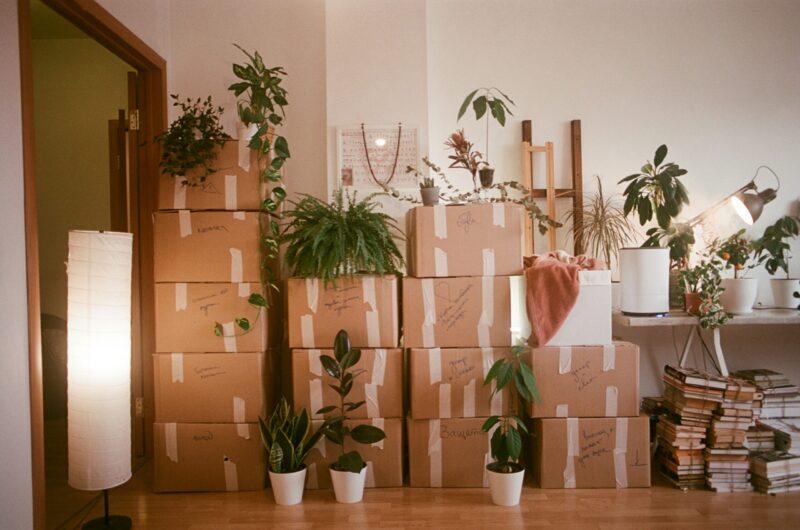
Finding the right rental property can feel like a balancing act. You need to weigh up affordability, commute times, space, local amenities, condition and how long you expect to stay. The best home is not always the one with the lowest rent or the most impressive photographs. It is the one that fits your day-to-day life and gives you confidence that you can live there comfortably.
Before you start viewing properties, it helps to be clear about your priorities. That makes it easier to spot a genuine match, avoid unsuitable homes and move quickly when the right property appears.
Start With a Realistic Budget
Your rent is only part of the cost of renting. Before arranging viewings, work out what you can comfortably afford each month after bills, travel, food, debt repayments and savings.
A useful starting point is to consider:
- Monthly rent
- Council tax
- Gas, electricity and water
- Broadband and mobile costs
- TV licence and streaming services
- Travel costs, parking or fuel
- Contents insurance
- Initial moving costs
Do not forget upfront costs. In England, landlords and letting agents can generally ask for a refundable tenancy deposit of up to five weeks’ rent where the annual rent is below £50,000, or six weeks’ rent where it is £50,000 or more. They may also ask for a refundable holding deposit of up to one week’s rent to reserve the property while checks are carried out. You can find out more about property costs in the Tenant Fees Act.
If you’ve been through your finances and a property looks affordable on paper but leaves you with very little left each month, it may quickly become stressful. Choose a home that leaves room for unexpected expenses, not one that stretches your finances to the limit.
Decide On What Your Non-negotiables Are

Everybody has different priorities. A student may want proximity to campus and low bills. A couple may want a second bedroom for working from home. A family may prioritise schools, outdoor space and safe parking. Someone who travels regularly may care more about transport links than a large garden.
When you start searching, write two lists:
- Non-negotiables: things the property must have, such as a minimum number of bedrooms, pet-friendly policy, parking, ground-floor access or a specific location.
- Nice-to-haves: features you would like but could compromise on, such as a dishwasher, balcony, a separate dining area, or built-in storage.
This helps you compare properties fairly. It also prevents you from being swayed by stylish furnishings or a well-presented living room when the property does not meet your core needs.
Also, remember that you shouldn’t just rely on the photographs. Property listings are designed to show a home at its best. Photos can distort smaller rooms, limited storage, awkward layouts or signs of wear. Use them as a starting point, but do not rely on them alone.
Location, Location, Location
Regardless of how perfect a property might look online, where it actually is will shape your everyday life. Visit the area at different times of day if you can. A street that feels quiet on a Sunday afternoon may be very different during the morning rush hour or late at night.
Think about your commute and transport costs, how close are the nearest supermarkets, GP surgeries and pharmacies are. What about schools, parks and leisure facilities? And don’t forget to pay attention to noise from roads, railways, pubs or businesses.
If possible, test the commute during the hours you would actually travel. A property with a lower rent may cost more overall if it requires a long or expensive daily commute.
Think About How You Actually Live
The right property should support your routine, not work against it. Consider how you use space throughout the day.
For example, if you work from home, ask yourself whether there is enough room for a desk and whether the property has a reliable mobile signal or broadband installation. If you enjoy cooking, look at the kitchen layout, worktop space and storage. If you have a dog, check whether there is nearby green space and whether the tenancy allows pets.

Also consider practical details such as laundry facilities, bin storage, bike storage, visitor parking and where deliveries can be left. These details may seem minor during a viewing, but they can make a real difference over a 12-month tenancy.
Check the Property’s Condition
During your search, pay attention to signs that a property has been properly maintained. Damp, mould, poor ventilation, broken windows, faulty heating and signs of pest problems should always be taken seriously.
You should also ask about:
- When the boiler was last serviced
- How repairs are reported and handled
- Who manages the property day-to-day
- What is included in the rent
- Whether there are any planned building works nearby
A well-managed property should have a process for reporting issues and a landlord or agent who responds promptly. At Urpad, we believe tenants should feel confident that their home will be looked after properly, not just at move-in but throughout the tenancy.
Choose for the Long Term
Finally, think about how long you expect to stay. If this is more than just a short term fix, it may be worth paying slightly more for a better location, more space or a property that suits your lifestyle. If you expect to move again within a year, flexibility and lower upfront costs may matter more.
The right rental property is the one that fits your budget, supports your routine and gives you peace of mind. Take your time, ask questions and choose a home that works for real life – not just for the day you view it. If you’ve got any questions about properties and what to look for, we’d be delighted to have a conversation about what’s important to you